Spring Pollen in Dallas: What It’s Really Doing to Your Car (and How to Protect It)
If you live in Dallas, you don’t need a calendar to tell you it’s spring.
Your allergies already did that.
And if somehow, they didn’t… your car definitely did.
One day it’s clean.
The next, it’s wearing a fine layer of yellow dust like it’s been lightly seasoned.
It’s on your windshield.
Your paint.
Somehow inside your car.
And while it might look harmless—just part of the season—it’s actually one of the most overlooked ways your vehicle takes on damage over time.
Welcome to pollen season in Texas.
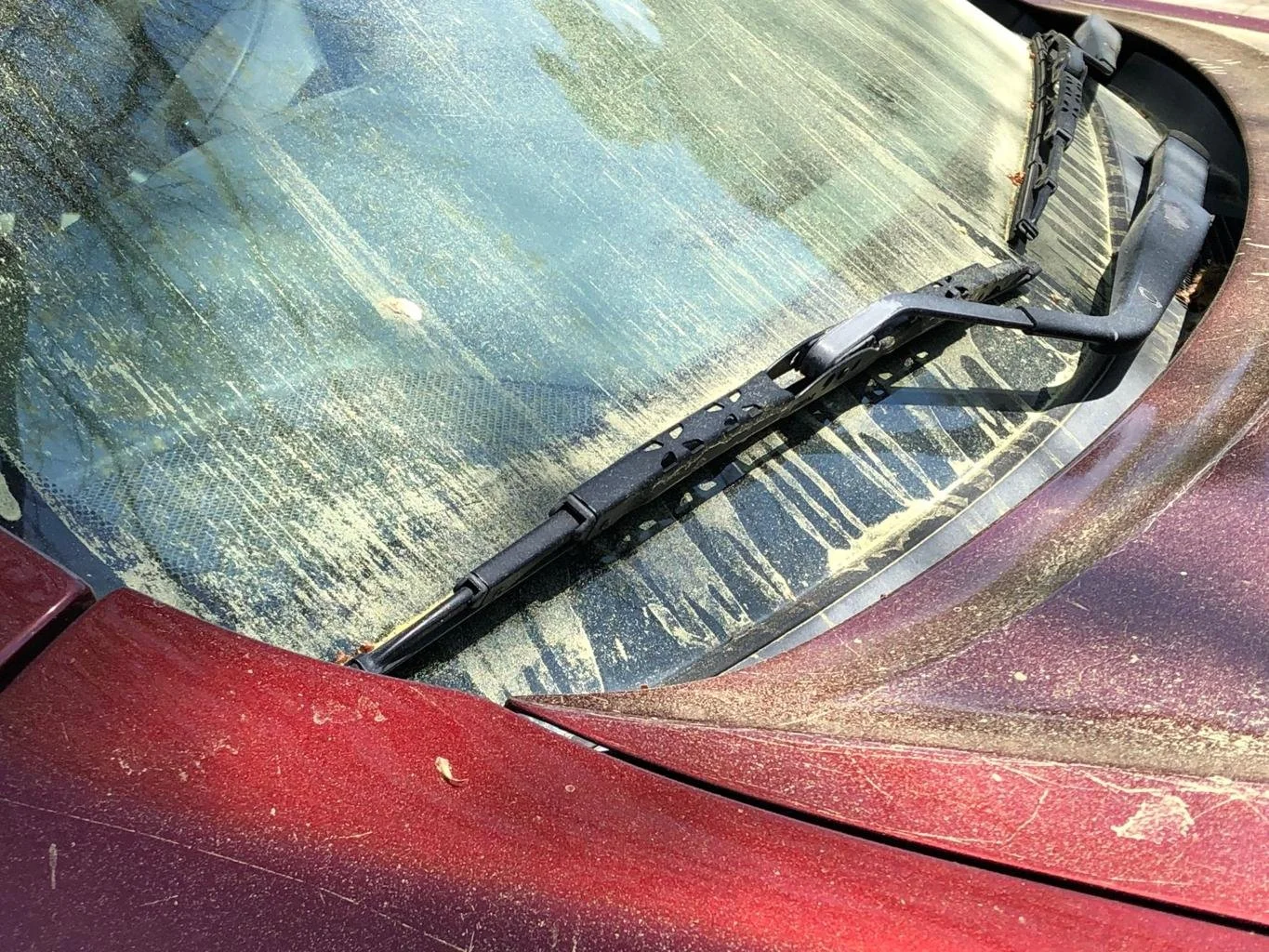
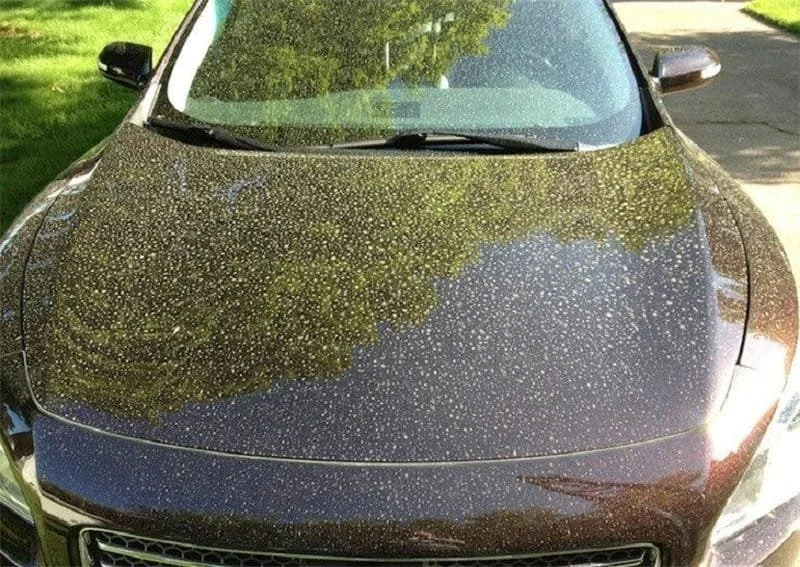
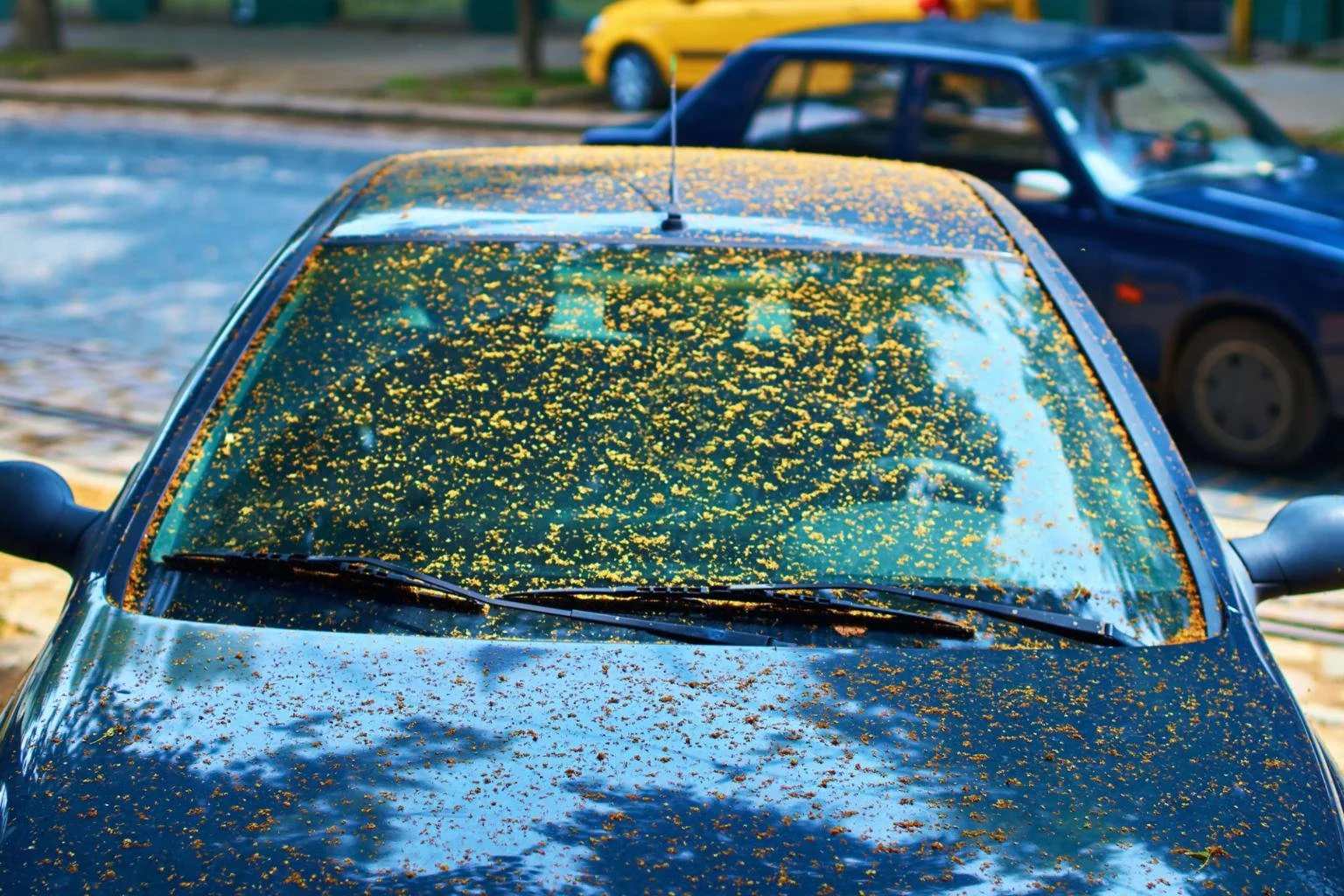
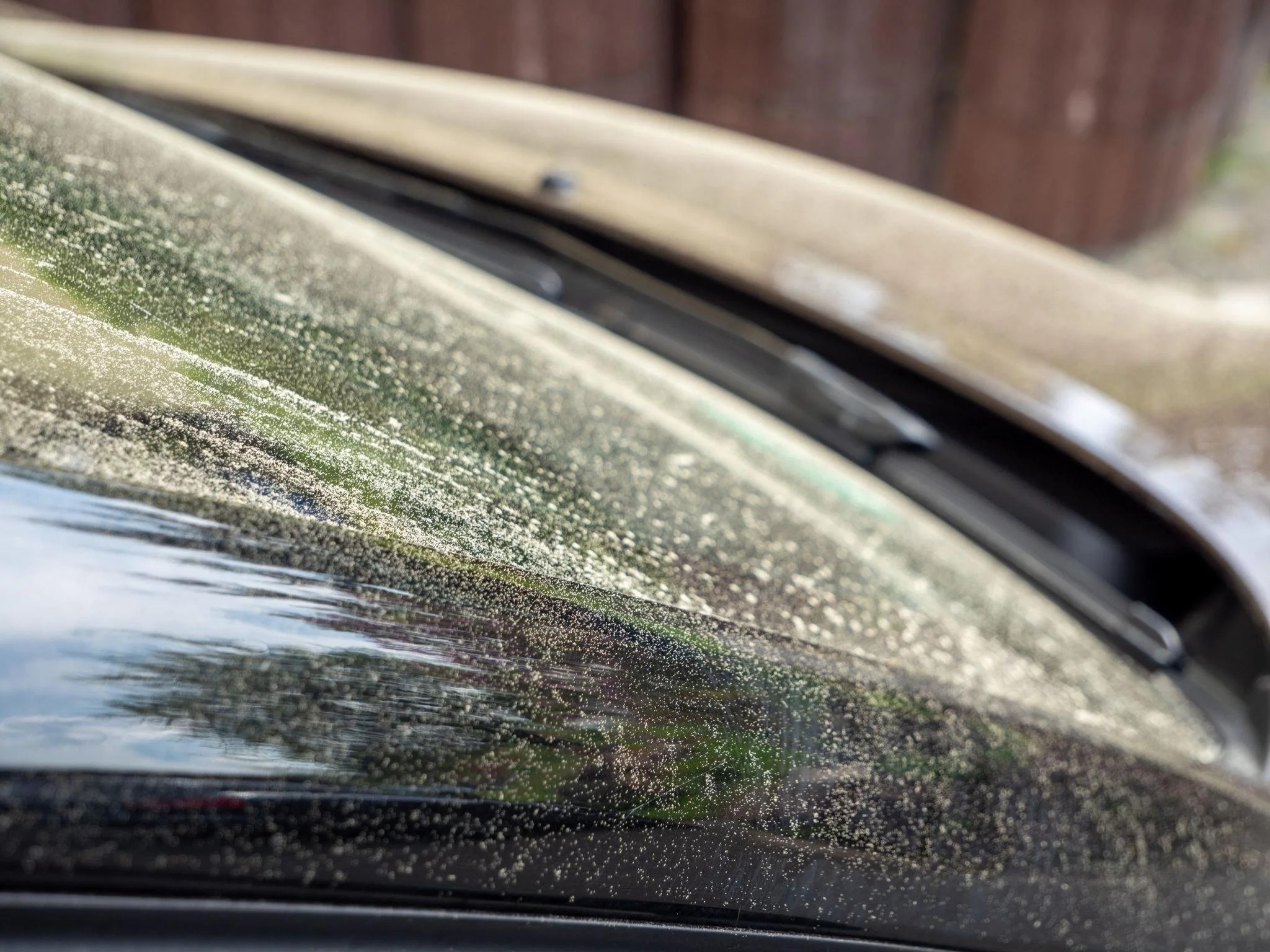
Pollen isn’t just dust.
It’s a fine, sticky organic material designed to cling to surfaces—and unfortunately, your car is an easy target.
In North Texas, heavy pollen typically comes from:
Oak trees
Cedar / Juniper
Elm
Grass (as spring progresses)
Add in wind, heat, and dry conditions, and it spreads fast—and sticks even faster.
Why Pollen Is Worse Than It Looks
Most people treat pollen like a cosmetic issue.
It’s not.
1. It Can Damage Your Paint
Pollen contains natural acids. When it mixes with moisture (morning dew, humidity, or a quick rinse), it creates a thin acidic layer on your vehicle.
Left sitting:
It dulls your clear coat
Causes light etching
Reduces long-term gloss and depth
That “slightly faded” look doesn’t happen overnight—it builds over time.
2. It Works Its Way Into Everything
Pollen doesn’t stay on the surface.
It settles into:
Door seams
Emblems
Grilles
Window trim
And once it’s packed in, a quick rinse won’t remove it.
This is where most vehicles start to look “permanently dusty,” even after a wash.
3. Wiping It Off Can Scratch Your Car
This is the most common mistake.
That light layer of pollen acts like a fine abrasive.
If you:
Wipe it with a dry towel
Use a duster
Or skip proper rinsing
You’re dragging particles across your paint.
Result:
→ Micro-scratches and swirl marks that add up over time
4. It Doesn’t Stay Outside
Every time you open your door, pollen comes with you.
It builds up:
On dashboards and trim
Inside vents
In your cabin air filter
That “dusty” feeling inside your car?
It’s not just dust.
What You Should Actually Do
Let’s keep this simple and effective.
Wash More Often - But Do It Right
During peak pollen season:
Weekly washes are ideal
Bi-weekly at minimum for garage-kept vehicles
The key is technique:
Pre-rinse to loosen buildup
Foam to safely lift contaminants
Gentle hand wash (no dry wiping)
Skip the Quick Fixes
That gas station squeegee?
Convenient.
Also reused, unclean, and full of debris.
Using it on pollen-covered glass can easily cause scratching.
Protect the Surface
A properly protected vehicle (sealant or ceramic coating) makes a noticeable difference.
It helps:
Reduce how much pollen sticks
Make cleaning faster and safer
Maintain your vehicle’s finish
It’s not about perfection—it’s about protection.
Don’t “Wait It Out”
Pollen season in Texas comes in waves:
Early spring (trees)
Mid-spring (grass)
Late spring (dust + storms)
Waiting it out usually means buildup—and avoidable wear on your vehicle.
Where ONYX Fits In
This is where consistency matters.
Not once. Not occasionally. Consistently.
At ONYX DETAIL CO., we focus on:
Safe, methodical washes
Attention to the areas most people miss
Protection that actually holds up in Texas conditions
Because a clean car isn’t just about how it looks.
It’s about maintaining what you’ve invested in.
Final Thought
In Dallas, pollen isn’t optional.
But the impact it has on your vehicle?
That part is.
If your car is already wearing a layer of spring, we can take care of it, and keep it from coming back.
ONYX DETAIL CO.
Pride in Every Detail.
